Customizability and Cross-Curricular Applications are Key
By Kristin Clark Taylor
“A Living Document”
Kelly Firmin, a Fine Arts teacher in the Industrial School District in Inez, Texas, is no stranger to QuaverMusic.
She had been using the cloud-based curriculum in her elementary music classroom for more than a decade before moving to another district, where the resource was just being introduced.
From either one of these vantage points – tried and true, or spanking brand new — Firmin is firm in her belief that Quaver is the perfect resource to reach and teach her students.
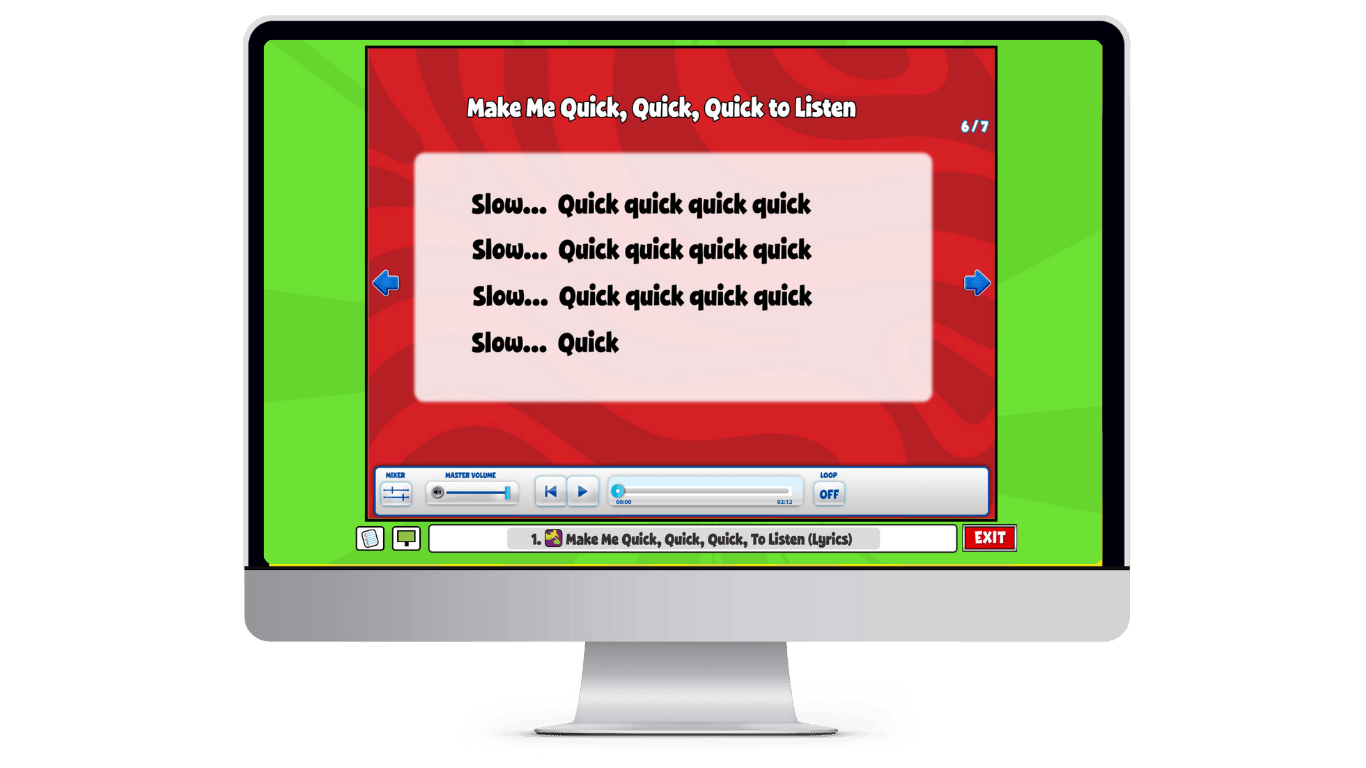
“One of my favorite things about Quaver is how customizable it is,” she says eagerly.
“I’ve figured out a way to make it work exactly how I want and need it to, even to the point where I can pull in other resources so that it all works together, and everything is in one place,” she says happily.
In addition to the great content, “it’s also a great time management tool, too,” she adds.
Firmin says she also appreciates the way that Quaver is constantly updating, improving, and striving to make all of its greatest features even greater. The colorful characters, the lively lyrics, and the satisfying songs create strong, enduring connection, yet the content “always feels fresh.”
“This is definitely not a traditional music curriculum,” she says. “I don’t have to rely on a textbook or worry about outdated information.”
The entire curriculum is designed and presented in a way that makes it “feel like a living document,” she says.
“This is why it always seems to feel exciting and engaging … without being overwhelming!”
The Value of Versatility
Firmin uses QuaverMusic in imaginative ways, both inside and outside of her music classroom.
She points to “Pumpkin Bones,” an all-time favorite Quaver song loved by students and teachers across the USA, to emphasize her point about versatility.
“My students can’t get enough of that song!” she exclaims happily.
“My younger kids actually create body percussion to the song,” Firmin explains, “and the bigger kids will get out instruments, add their own sound effects, and even make up dances!”
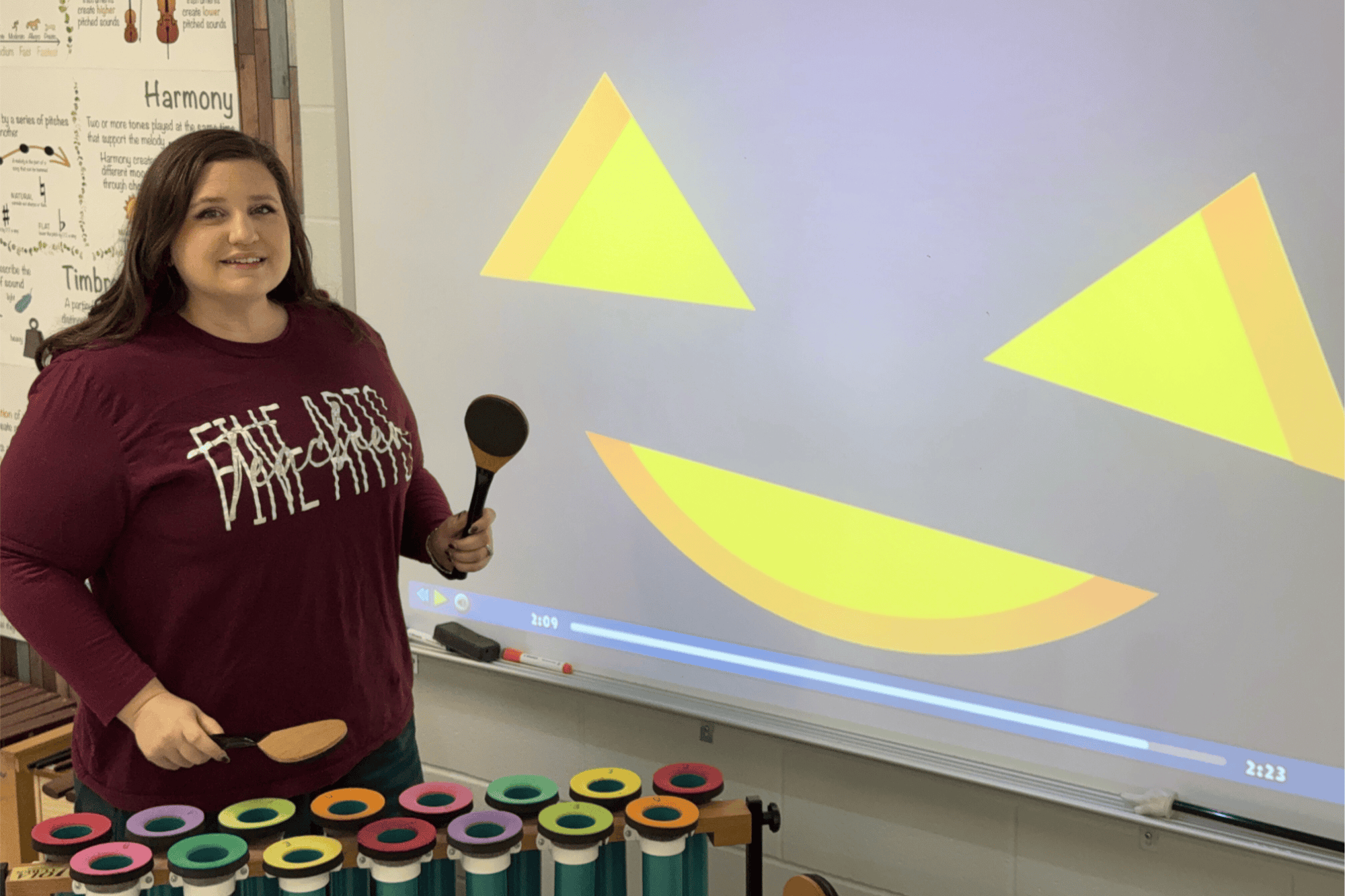
“What’s really great,” she adds with growing enthusiasm, “is that there are loads of You-Tube videos of people doing different, interesting things with the song, so we have a great time playing off of these ideas, too!”
There’s also cross-curricular versatility.
Firmin herself is a highly versatile educator: In addition to being a certified music educator, she also teaches art.
“I often use Quaver in my art classes because the songs and the lessons are relevant there, too,” she says.
“Because I’m so comfortable with the platform and with the curriculum, I know how to build the pictures and the lessons I want my art students to see!” Firmin explains, “and they love it because they’re already familiar with Quaver!”
“To be able to use Quaver in my art class just feels like a natural extension,” she finishes.
Quaver Stays Ahead of the Trends
Firmin has a bold, beautiful, two-word message to educators who are considering bringing QuaverMusic into their classroom:
“Do it!”
In addition to the encouragement, though, she also offers some practical advice about how educators can work together to get Quaver into their schools.
Obtaining new resources, she says, requires more than just expressing the desire — and more than just a few voices expressing those desires. It requires a collective push and a cohesive strategy.
Those educators who make that extra push will be happy they did, she says, because they’ll be getting a classroom resource that is second to none.
“Quaver’s the best thing out there,” she says with confidence. “They stay ahead of the trends, and they’re always upping their game.”
Are you ready to up your game?
Go to QuaverEd.com/Music to find out how to make it happen!
Kristin Clark Taylor is an author and an editor.
***